
According to a recent Bloomberg article, Norway has introduced the world's first dedicated carbon transport ship, marking a significant step toward commercializing carbon capture and storage (CCS). According to Bloomberg, the newly launched vessel is a key asset in Norway’s $6 billion North Sea carbon storage project, designed to transport industrial CO₂ emissions to offshore storage sites.
The first operational ship, Northern Pioneer, is part of a fleet of four vessels that will carry captured CO₂ from industrial sites to a storage facility near Bergen. The transported carbon will be permanently stored over a mile (1.6 km) beneath the seabed in a deep saline reservoir.
Longship Project: Europe's CCS Hub
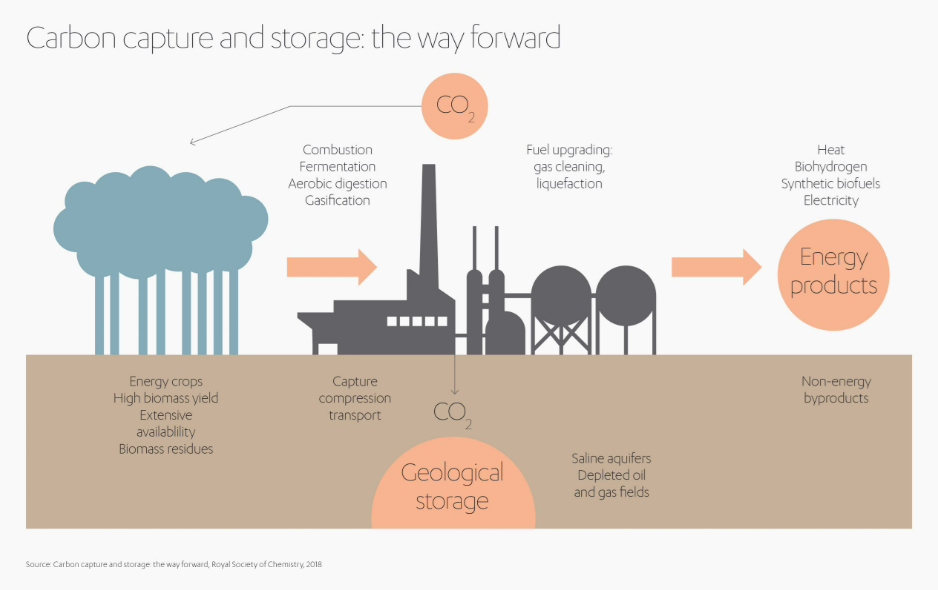
Northern Pioneer plays a crucial role in Longship, Norway’s government-led CCS initiative aimed at establishing the world’s first large-scale industrial carbon capture and storage hub. This project captures CO₂ emissions from industrial plants and transports them by sea to the North Sea’s geological storage sites.
European countries, especially Germany, are actively considering CCS for reducing emissions from high-carbon industries such as cement, fertilizers, and steel. Through the Longship project, Norway aims to lead carbon reduction technology and serve as a hub for European industries looking to utilize CCS solutions.
Key industrial participants include Norsk Hydro and Heidelberg Materials, while Northern Lights, a joint venture of Equinor, Shell, and TotalEnergies, is responsible for carbon storage. Northern Lights owns the Northern Pioneer, which has a capacity of 8,000 tons of liquefied CO₂.
First Mission: Carbon Transport from Heidelberg Cement
The Northern Pioneer’s inaugural mission will be transporting CO₂ from the Heidelberg Materials cement plant south of Oslo. The plant is set to begin carbon capture operations in mid-2025, with the first phase of the project targeting an annual injection and storage capacity of up to 1.5 million tons of CO₂.